Recreating the Catan resource cards in Unreal Engine 5
Recreating the Catan resource cards in Unreal Engine 5
Concept Overview
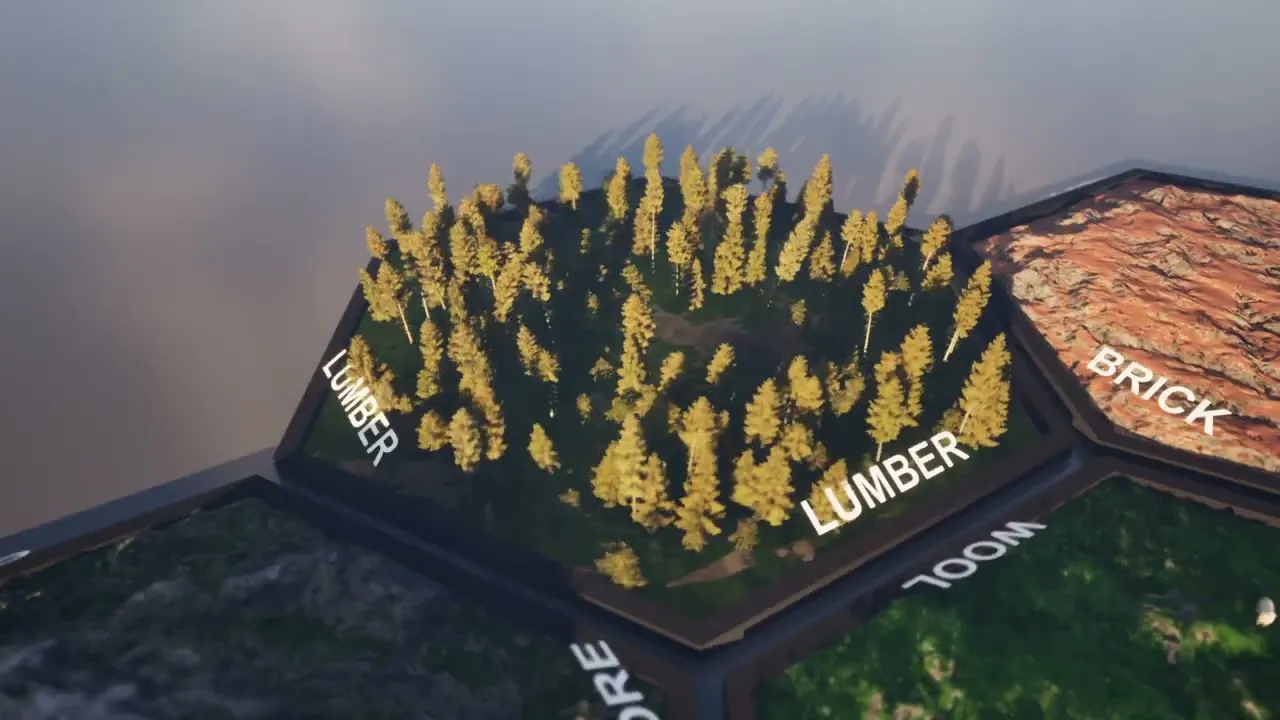
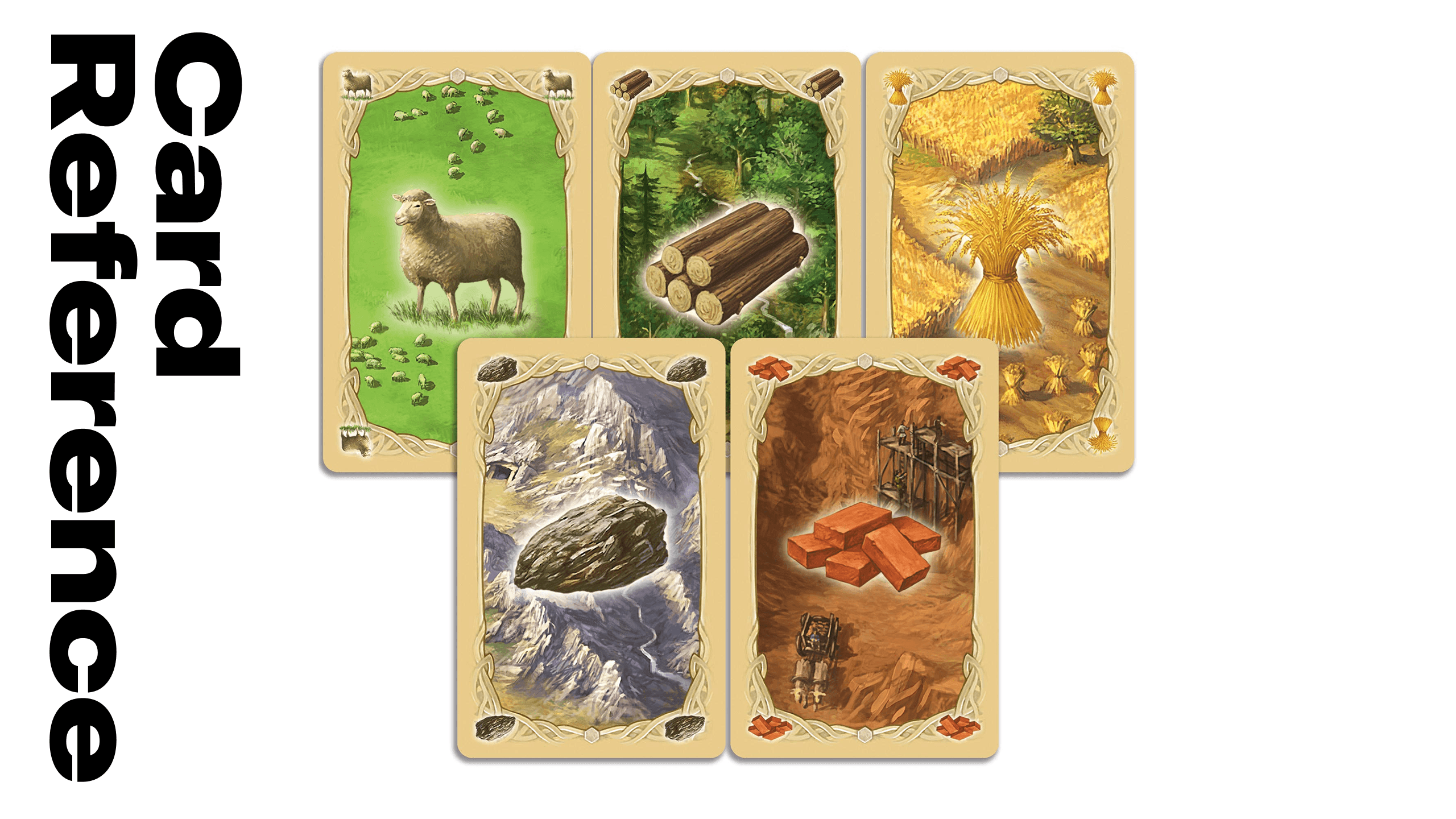
Inspired by a Pixel Overload's 2D recreation of the resource cards from Settlers of Catan in a pixel art style, I set out to reimagine all five card types — ore, lumber, brick, wool, and grain — as fully sculpted 3D landscapes in Unreal Engine 5. Each card presented a distinct environment design challenge, from the rugged peaks in ore to the open farmland of the grain fields. The goal was to push my landscape creation skills while building a polished, interactive viewing experience that lets users explore each miniature world on their own terms.
Terrain Design
Each of the five cards required a unique approach to terrain sculpting, material layering, and environmental storytelling. The ore card called for jagged, elevated rock formations, while the lumber card needed dense tree coverage over uneven forest terrain. Brick demanded exposed clay and quarry-like geometry, wool relied on soft, rolling pastoral hills, and grain required wide, flat fields with a sense of agricultural scale. Across all five, I focused on selling the identity of each resource through landscape shape language, material variation, and prop placement treating every card like a small-scale level design exercise.
Camera System
To complement the landscapes, I built a custom tilt-shift camera controller entirely in Blueprints using UE5's Enhanced Input system. The controller supports WASD movement along the X and Y axes, Q and E rotation around the Z axis, and scroll-based zoom, giving users full control over how they explore each card. The tilt-shift effect adds a miniature, diorama-like quality to the scenes, reinforcing the concept of these landscapes as tiny, self-contained worlds. The system was designed to feel intuitive and responsive, prioritizing a smooth user-facing viewing experience over raw technical complexity.